
When Faith Expands: Finding Spiritual Depth in a Changing World
Finding Your Way
Many people today find themselves standing at an unexpected crossroads in their spiritual lives. The beliefs that once felt steady may no longer hold the same certainty, yet the longing for meaning, connection, and transcendence remains as strong as ever.
For some, this shift begins with a life event—grief, illness, a personal loss, or a moment of questioning that quietly unsettles old assumptions. For others, it arises through learning, travel, exposure to new ideas, or simply the natural evolution of the human spirit.
What becomes clear in these moments is that spirituality is not meant to remain rigid or static. Like every other aspect of our lives, it grows, deepens, and transforms over time.
Questioning Does Not Mean Losing Faith
One of the most common fears people express when their beliefs begin to shift is the fear of losing faith altogether. Yet history and experience suggest the opposite may be true. Many of the most thoughtful spiritual leaders and seekers have described doubt not as the enemy of faith, but as the doorway to a deeper, more authentic relationship with the sacred.
Healthy spirituality allows room for curiosity. It welcomes questions rather than silencing them. When we begin to explore faith with openness rather than fear, our spiritual lives often become richer and more compassionate.
Rather than abandoning faith, many people discover that they are simply moving from inherited beliefs to personally integrated ones.
The Meeting Place of Science and Spirit
In recent decades, scientific research has begun to explore something that spiritual traditions have long suggested: human beings appear to have a natural capacity for spiritual awareness.
Researchers studying psychology, neuroscience, and human development have found that experiences of connection, meaning, awe, and transcendence can support emotional resilience, mental health, and well-being. Spiritual practices such as prayer, meditation, gratitude, and community rituals activate areas of the brain associated with compassion, regulation, and social connection.
This does not reduce spirituality to biology. Instead, it suggests that our capacity for spiritual experience may be woven into the fabric of who we are.
For many people, this realization allows faith and science to coexist rather than compete. Each explores different dimensions of the same human search for meaning.
When Grief Becomes a Spiritual Turning Point
Few experiences reshape our inner lives more profoundly than grief.
When we lose someone we love, the world can feel unfamiliar and uncertain. The questions that emerge during grief are often spiritual ones:
Why did this happen?
Where is my loved one now?
What does life mean after loss?
While grief can be deeply painful, it can also become a doorway to deeper awareness. Many people report that their losses eventually lead them to reconsider what matters most, to reconnect with compassion, and to explore spiritual questions they may never have considered before.
Grief does not take away our capacity for meaning. In many cases, it deepens it.
A Spirituality Rooted in Compassion and Openness
As our world becomes increasingly diverse and interconnected, many people are discovering that spirituality can be both rooted and expansive. It is possible to honor the wisdom of one's own tradition while remaining open to insights from others.
At its best, spirituality invites us to cultivate qualities that every tradition values:
- compassion
- humility
- curiosity
- gratitude
- connection
These qualities create a faith that is not fragile or defensive, but resilient and life-giving.
Walking Your Own Path
Each person's spiritual journey unfolds differently. Some find meaning within traditional religious communities. Others explore interfaith perspectives, contemplative practices, or new ways of understanding the sacred.
What matters most is not following someone else's path perfectly, but discovering a way of living that nurtures both the heart and the mind.
Spiritual growth is rarely a straight line. It unfolds through seasons of clarity, uncertainty, renewal, and transformation. Yet through each stage, the search for meaning continues to guide us.
And perhaps that search itself—the quiet desire to understand life, love deeply, and live with purpose—is one of the most sacred aspects of being human.
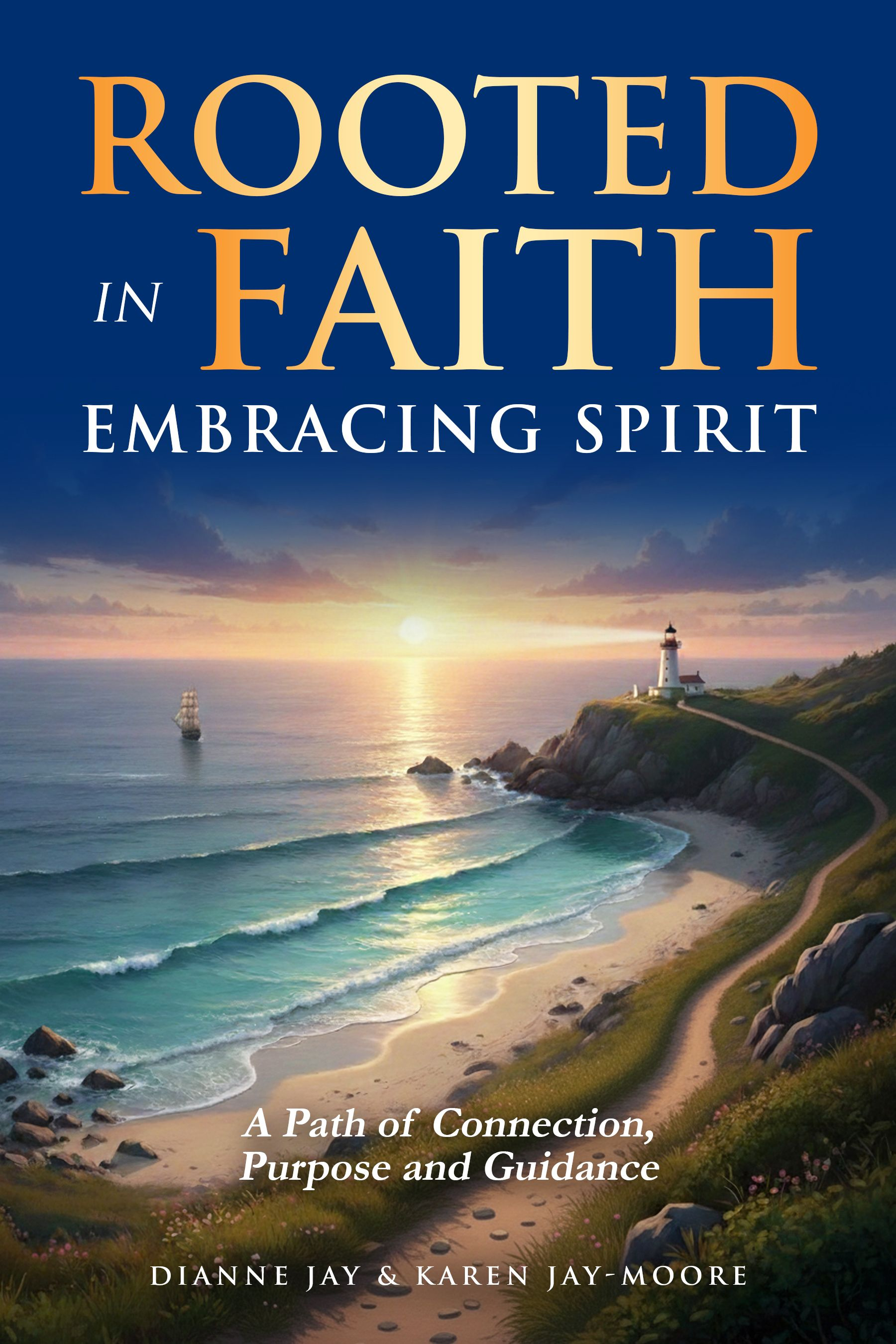
If you are exploring questions of faith, meaning, or spiritual growth, you may find further reflection in our books Rooted in Faith, Embracing Spirit and Grief to Spiritual Awakening, which explore how spirituality can evolve alongside life’s challenges and discoveries.